ILGLC Hosts Two Grazing Schools in 2026
September was a full month for ILGLC staff. We hosted both of our 2026 Grazing Schools on working beef operations at opposite ends of Illinois. In total, 21 producers spent a day in the classroom and out in the pasture, learning from host farmers, ILGLC staff, and each other.
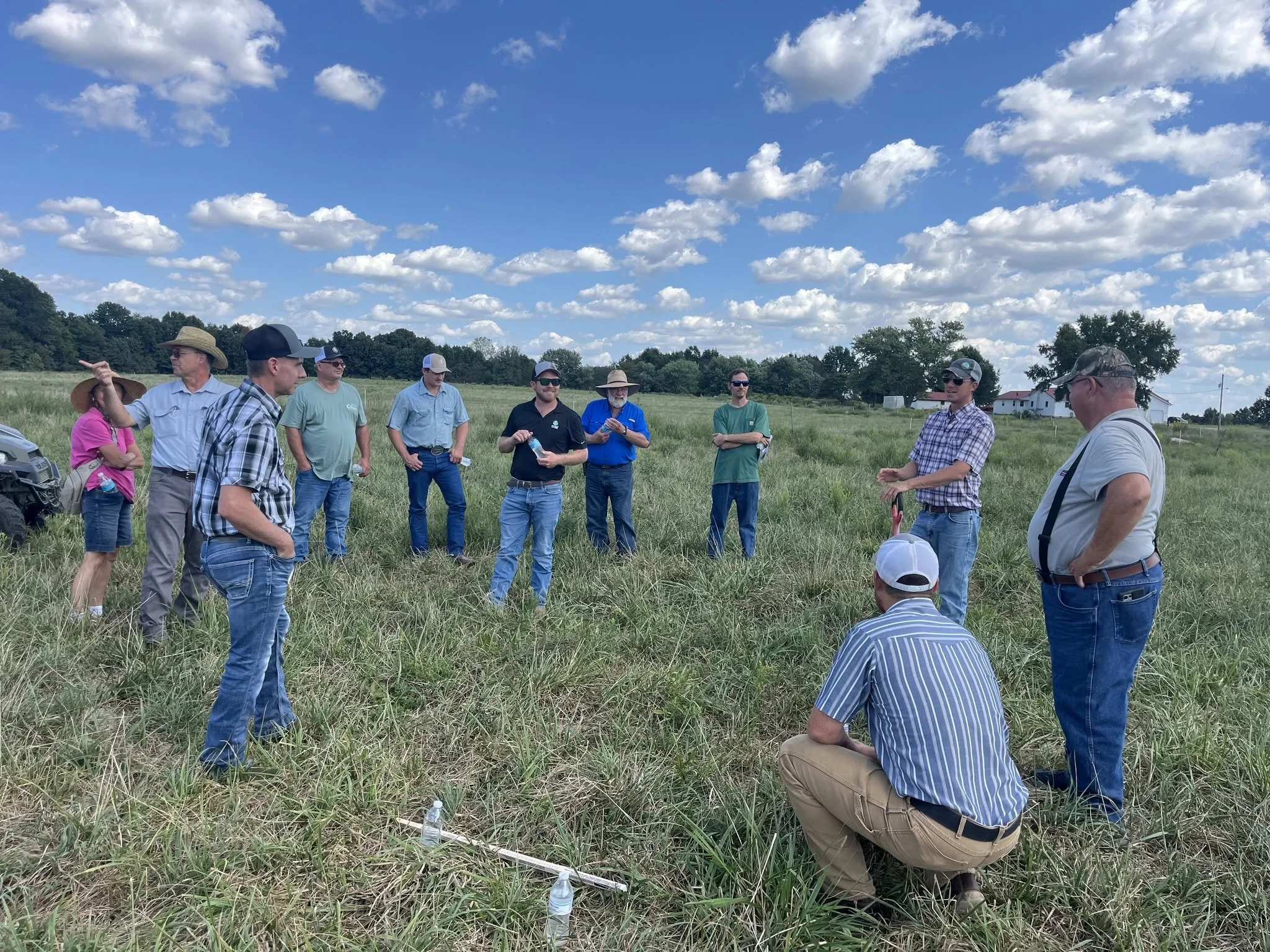
Southern Illinois School
Our first school was held at Evan Schuette's beef farm in Iuka, IL on September 12 with 9 attendees. That small group size made for plenty of one-on-one conversation and hands-on time in the field.
Northern Illinois School
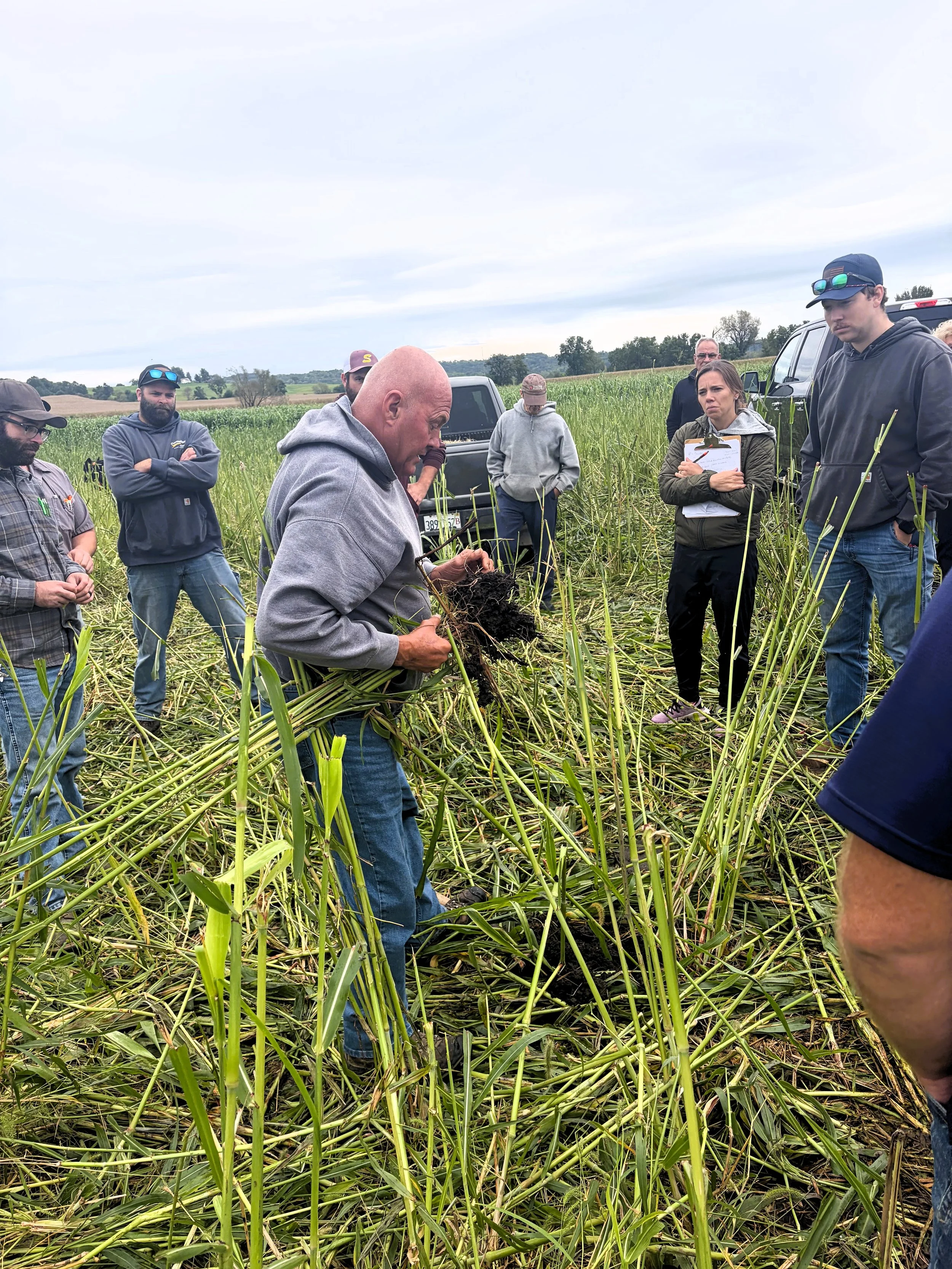
Less than a week later, we headed to northwest Illinois for a second school at Greg Thoren's beef farm in Stockton on September 18, where 12 attendees joined us.
What We Covered
Each school combined classroom sessions with in-field instruction, so participants could see the concepts put to work on a real operation. Topics included:
Soil and pasture health
The basics of adaptive grazing practices
Water and fencing systems
Multispecies grazing
Winter grazing strategies
And more
Presentations came from our host farmers and ILGLC staff. We think this mix is part of what makes grazing schools valuable: attendees hear the principles, and then they see producers who are managing those same decisions on their own ground every day.
Why It Matters
Holding one school in the south and one in the northwest lets us reach producers where they farm, under the forage, soil, and climate conditions they actually work with. Grazing Schools are one of the ways ILGLC delivers on our mission of peer-to-peer education for Illinois producers at every experience level. Every attendee leaves with ideas they can apply on their own operation, and with new connections to other graziers in their region.
A big thank you to Evan Schuette and Greg Thoren for opening their farms and sharing their experience. Thank you also to every producer who spent a day learning with us. Programs like these depend on graziers who are willing to share what's working, and what isn't, on their own land!